Social media engagement used to feel simple. Businesses posted regularly, added a few hashtags, and hoped the algorithm would show their content to more people.
That approach does not work the same way anymore.
Social media platforms have changed how they decide which posts people see. At the same time, AI has made it much easier to create content, which means users now see more posts competing for their attention.
Because of these changes, businesses need to rethink how they approach social media. Getting likes is no longer the only goal. Watch time, shares, saves, comments, and even how long someone stays on a post can be more important.
So, what is actually working on social media in 2026? Let’s break it down in simple terms.
Where Social Media Engagement Stands in 2026
One of the biggest changes on platforms such as Facebook, Instagram, and TikTok is the growing importance of short videos.
Reels, short videos, and other video content can reach people who do not already follow your account. This gives smaller businesses a chance to get in front of new audiences without having thousands of followers.
But there is another side to this.
Organic reach has become harder to achieve.
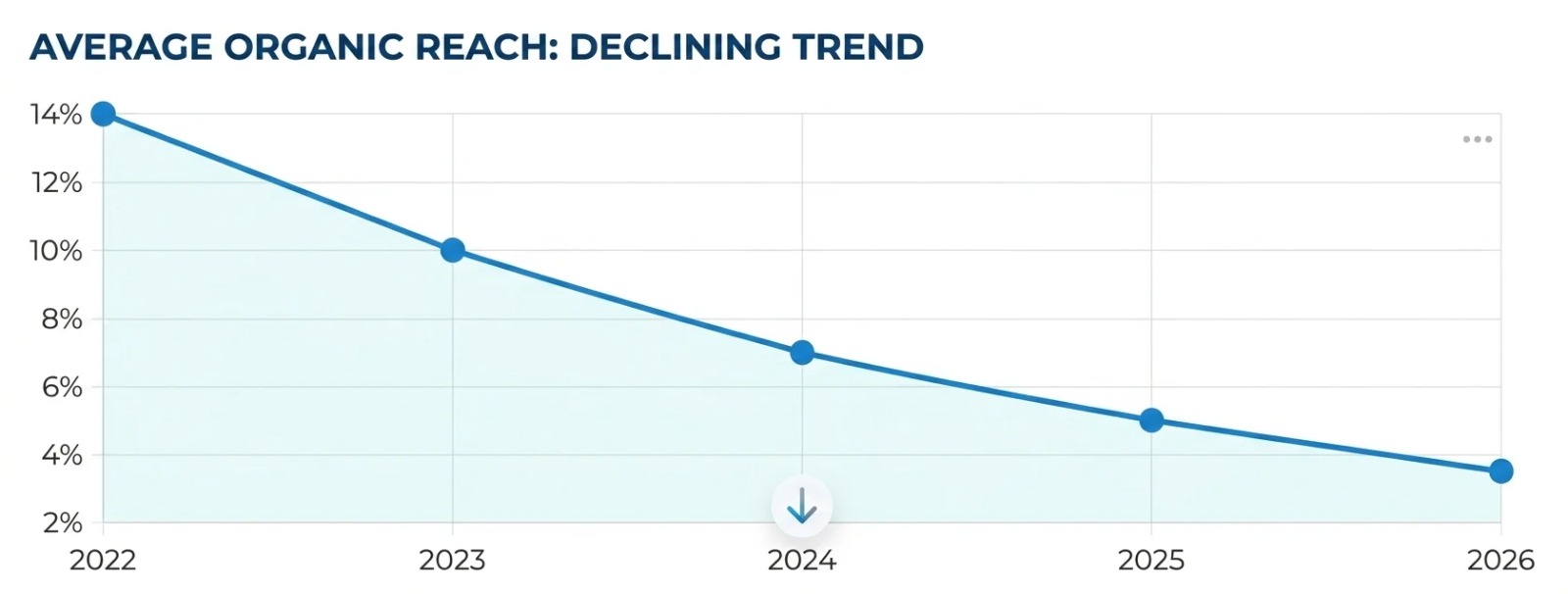
In simple words, businesses may post just as often as they did a few years ago but reach fewer people. This does not always mean their content has become worse. There is simply much more content being published every day, and social media platforms have limited space to show it. Organic reach dropped for most businesses over the past two years not – not because content quality fell, but because competition for the same feed space grew.
This means businesses cannot depend on posting more content alone. They need to focus on creating content that people actually want to watch, save, share, or discuss.
What Does Engagement Mean Now?
A few years ago, businesses often focused on likes, followers, and reach.
These numbers still matter, but they do not tell the whole story.
Today, platforms pay closer attention to actions that show real interest. These can include:
- How long someone watches a video
- Whether someone watches the video again
- How many people save a post
- How often people share it
- Comments and conversations
- How long someone stays on a post
- Whether people interact with the account after seeing the content
Think about it this way.
If someone sees your post, likes it, and keeps scrolling, that is a small signal.
But if they save the post, send it to a friend, or share it with their followers, that shows the content was useful or interesting.
This is one reason follower count is not as important as it once was.
An account with 5,000 followers can sometimes get better results than an account with 50,000 followers if its content gets more shares, saves, comments, and meaningful interactions.
So, if your social media reports only focus on followers and reach, you may be missing the bigger picture.
Reels vs. Static Posts: Which One Is Better?
When businesses hear that social platforms are focusing more on video, they often assume that every post should be a Reel.
That’s not necessarily true.
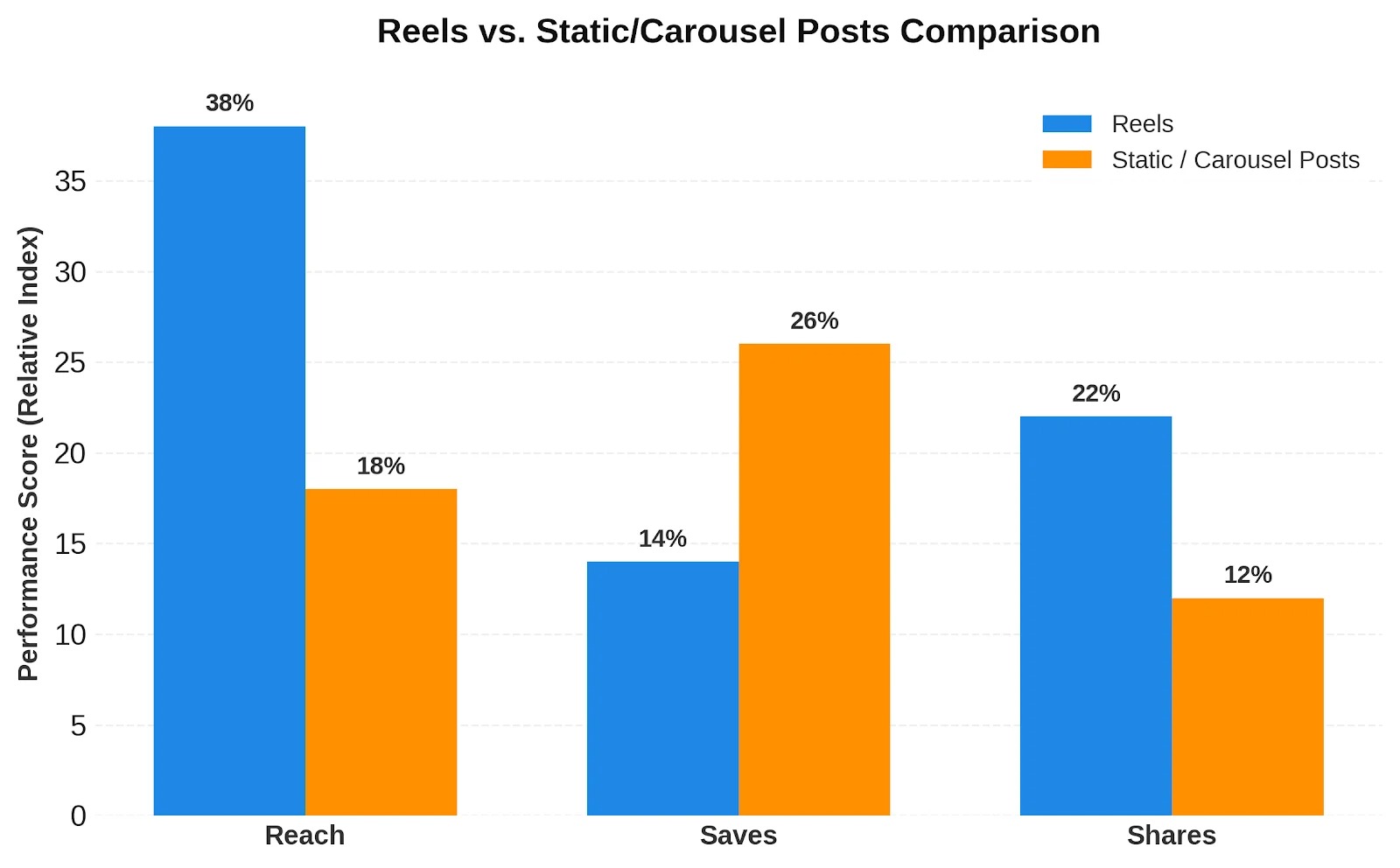
A Reel can be great for reaching new people, but other formats can work better for different goals. The full comparison of Reels versus static post performance shows this isn’t as one-sided as “video always wins” makes it sound.
For example, a carousel can be useful when you want to explain a topic step by step. A simple image can work well for an announcement, product offer, quote, or important message.
The important thing is to choose the format based on what you are trying to achieve.
Use Reels When You Want:
- More reach
- New audiences
- Quick tips
- Product demonstrations
- Behind-the-scenes content
- Entertaining content
- Educational videos
Use Carousels or Static Posts When You Want:
- More saves
- Step-by-step information
- Product details
- Quotes or announcements
- Educational content people may want to read later
- Clear visual information
A good strategy does not mean using one format for everything.
Instead, think about the message first and then choose the format that fits it.
AI Content: Helpful Tool or More Noise?
AI has changed the way businesses create social media content.
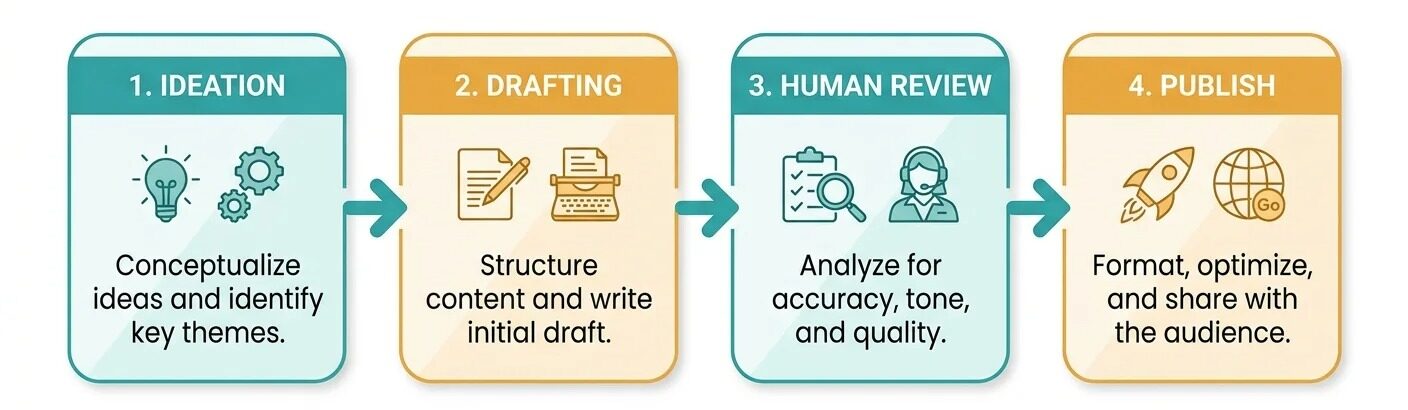
Today, AI tools can help with almost every part of content creation. They can help businesses find ideas, write captions, create scripts, generate images, edit videos, and plan content.
This can save a lot of time.
But there is also a problem.
Because AI content is so easy to create, social media feeds are becoming crowded with posts that look and sound very similar.
You may have noticed this yourself. You see a post from one business, then another post from a completely different business, but both use almost the same wording and style.
People are becoming better at noticing content that feels generic. How AI tools are actually changing content creation covers where AI genuinely helps in the process, and where it quietly hurts engagement instead.
This does not mean businesses should stop using AI.
The better approach is to use AI as an assistant rather than letting it make every decision.
For example, AI can help you:
- Generate content ideas
- Create a first draft
- Write different caption options
- Turn a long article into short posts
- Create video scripts
- Organize a content calendar
But humans should still decide:
- What the brand should talk about
- What the audience actually needs
- What tone the brand should use
- Which ideas are worth publishing
- What makes the business different
- Whether the final content sounds natural
The businesses getting the most value from AI are not simply producing more content. They are using AI to save time while keeping the human side of their brand.
What Is Actually Driving Results in 2026?
When you look past all the social media trends, some basic things are still working.
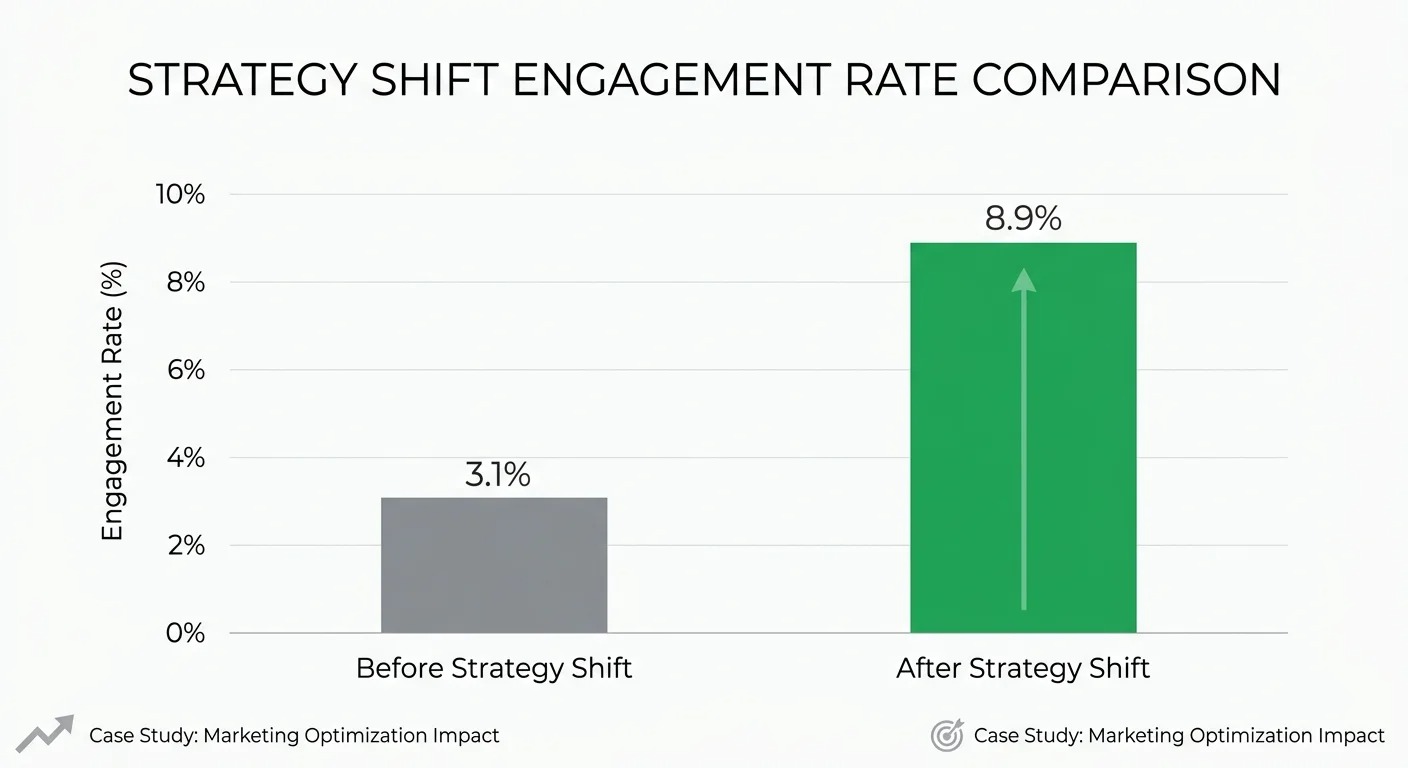
The biggest difference is that successful businesses are more focused on quality and relevance than simply posting as much as possible. One content strategy shift doubled engagement for a client of ours not through a bigger budget or more posts, but through a tighter strategy built around what the audience actually responded to.
1. Focus on a Clear Topic
Trying to talk about everything can make it difficult for people to understand what your business is really about.
For example, a fitness business can create content around:
- Workout tips
- Nutrition
- Exercise mistakes
- Fitness motivation
- Recovery
- Beginner advice
This gives the audience a clear reason to follow the account.
2. Create Content People Want to Share
Ask yourself one simple question before publishing:
“Would someone send this post to another person?”
If the answer is yes, you may have a strong piece of content.
People share content that helps, entertains, teaches, inspires, or makes them think.
3. Encourage Saves
Saves are especially useful for educational content.
A post such as “5 SEO mistakes to avoid” or “7 exercises for beginners” gives people a reason to save it and come back later.
This is often more valuable than simply getting a like.
4. Respond to Comments and Messages
Social media is not a one-way communication channel.
If people comment on your post, respond to them.
If someone sends a message, reply as soon as possible.
These conversations can help build trust while also showing that your account is active.
5. Stay Consistent
You do not need to post 5 times every day.
What matters more is having a schedule you can maintain.
For one business, that could mean posting three times a week. For another, it could mean posting daily.
The goal is to avoid posting heavily for one week and then disappearing for the next month.
6. Learn From Your Own Data
Do not copy another brand simply because its post went viral.
Look at your own content and find patterns.
Which posts get the most saves?
Which videos get people to watch until the end?
Which topics bring comments?
Which posts are shared the most?
Your own data can tell you what your audience wants.
More Content Does Not Always Mean More Engagement
One of the biggest mistakes businesses make is thinking that more posts automatically lead to better results.
It doesn’t work that way.
If you publish ten weak posts, they are not necessarily going to perform better than three useful posts.
The goal should be to create content that has a clear purpose.
Every post should ideally do at least one of these things:
- Teach something
- Solve a problem
- Entertain people
- Answer a common question
- Show your product or service
- Build trust
- Start a conversation
This is why changing the content strategy can sometimes improve engagement without increasing the number of posts or the marketing budget.
The key is not simply doing more.
It is doing more of what works.
What Should Businesses Focus on Now?
If your social media strategy is not producing good results, start with the basics.
Look at your last 20 to 30 posts and ask:
- Which posts received the most shares?
- Which posts received the most saves?
- Which videos kept people watching?
- Which topics generated comments?
- Which content received almost no response?
- Are you posting for your audience or just filling your content calendar?
- Are your posts useful, entertaining, or interesting?
- Does your content sound like a real person or a generic AI tool?
These questions can quickly show where your strategy needs improvement.
Final Thoughts
Social media engagement in 2026 is not simply about posting every day and hoping for more likes.
The platforms have changed, and people have changed with them.
Video is important for reaching new audiences, but that does not mean every post needs to be a Reel. Carousels and static posts can still be useful when they provide information people want to save or share.
AI can also make content creation faster, but it should not replace human thinking. Generic content may be easy to produce, but content with a real voice is more likely to connect with people.
Most importantly, businesses need to stop measuring success only through follower numbers and likes.
Look at shares, saves, watch time, comments, and real conversations with your audience.
The businesses that are getting results are not necessarily posting more than everyone else. They are creating more relevant content, choosing the right format, responding to their audience, and staying consistent.
If you’re unsure whether your current social media strategy is actually working or simply keeping you busy, our social media marketing services can help you identify where your engagement is dropping and what you can do to improve it.